Sea Venture (1609)
The Sea Venture’s wreck is not just a maritime disaster, it is the origin story of Bermuda, a tale of survival, ingenuity, and the birth of a new colony.
- Year of Wreck:
1609
- Nation of Origin:
England
- Location:
Eastern Blue Cut
- Type of Vessel:
Supply ship for Jamestown colony
- Latitude:
32.299507
- Longitude:
-64.790337
- Captain:
Christopher Newport
- Destination:
Jamestown Colony, Virginia
About the Sea Venture
The Sea Venture, an English flagship, was shipwrecked in 1609 en route to Jamestown, Virginia, as part of a supply fleet. The ship encountered a severe hurricane that separated it from the rest of the convoy. After days of battling the storm, the crew spotted Bermuda and intentionally ran the vessel aground on a reef near St. George’s to save the passengers. Remarkably, all 150 people aboard survived and made it to shore.
Stranded on Bermuda for nine months, the survivors built two new ships, ‘Deliverance’ and ‘Patience’, using local Bermuda cedar and salvaged materials from the wreck. They eventually completed their journey to Jamestown, carrying much-needed provisions to the struggling colony. This shipwreck inadvertently led to England’s claim over Bermuda, which remains a British territory today. The Sea Venture’s wreck site was rediscovered in the mid-20th century near Sea Venture Flats, confirming its historical significance.
Title: Sea Venture: The Shipwreck That Founded Bermuda
Location: Sea Venture Shoals, off St. George’s, Bermuda
Date of Sinking: July 28, 1609
Depth: Approximately 30–40 feet (site is now largely buried and protected)
1. Basic Information
- Ship Name and Type: Sea Venture, English galleon (flagship of the Virginia Company’s Third Supply fleet)
- Date of Sinking: July 28, 1609 (Old Style: July 18, 1609)
- Location: Sea Venture Shoals, about 0.5–0.75 miles off Bermuda’s east end, near St. George’s
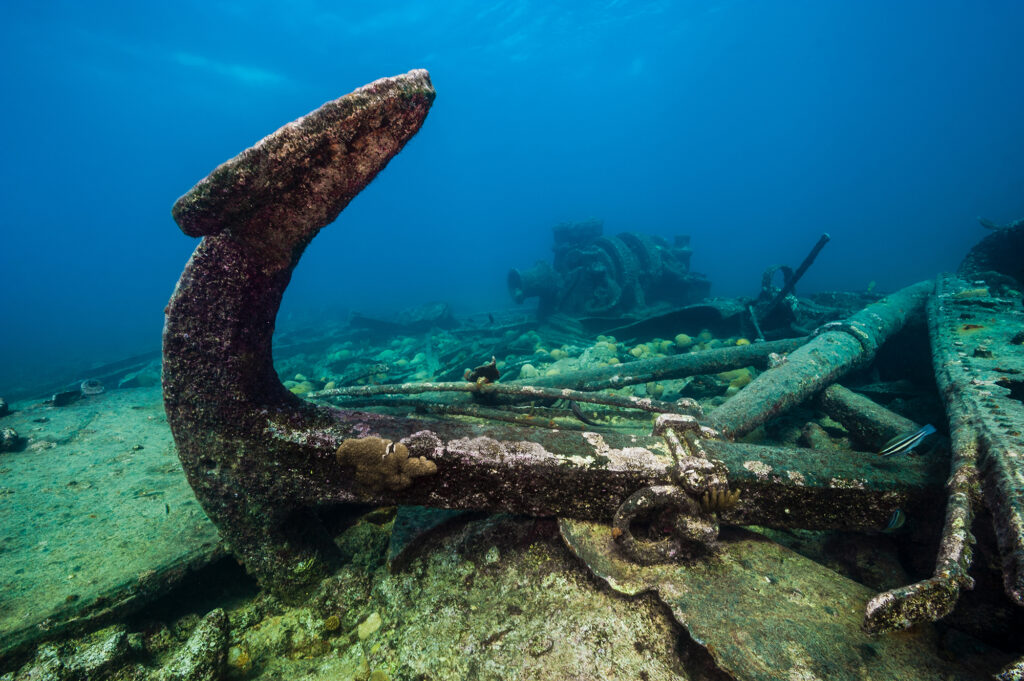
- Current Condition: The wreck is largely disintegrated, with some remains buried and protected by sandbags; artifacts are preserved in museums
2. Historical Background
The Sea Venture was purpose-built in 1603 as the flagship for the Virginia Company’s Third Supply mission to Jamestown, Virginia. At 100 feet long and 300 tons, she was designed for transatlantic voyages, equipped with 20 guns and a reinforced hull. On June 2, 1609, she set sail from Plymouth, England, leading a fleet of seven ships. Aboard were approximately 150 people, including Admiral Sir George Somers, Governor Sir Thomas Gates, Captain Christopher Newport, and future Jamestown notables like John Rolfe and William Strachey.
The ship carried vital supplies, skilled craftsmen, and settlers—intended to rescue the struggling Jamestown colony. The voyage was a high-stakes gamble for England’s colonial ambitions.
3. The Sinking
On July 24, 1609, the fleet encountered a ferocious hurricane in the mid-Atlantic. The Sea Venture, separated from the other ships, was battered for three days. The ship’s new timbers had not fully set, causing the caulking to fail and water to pour in. Despite desperate efforts, the crew could not keep her afloat.
Admiral Somers, seeing land, deliberately drove the ship onto a reef to prevent her from sinking. The Sea Venture wedged between rocks, allowing all 150 passengers and crew (and a dog) to reach shore safely—remarkably, there were no casualties.
4. Current Status
- Depth and Position: The original wreck site lies in shallow water (30–40 feet) off St. George’s, Bermuda. The site is now protected and not open to casual diving.
- Accessibility for Divers: The site is not a recreational dive; artifacts are displayed at the Bermuda National Museum and St. George’s.
- Conservation Status: The remains are protected by sandbags to prevent further decay from shipworms and storms.
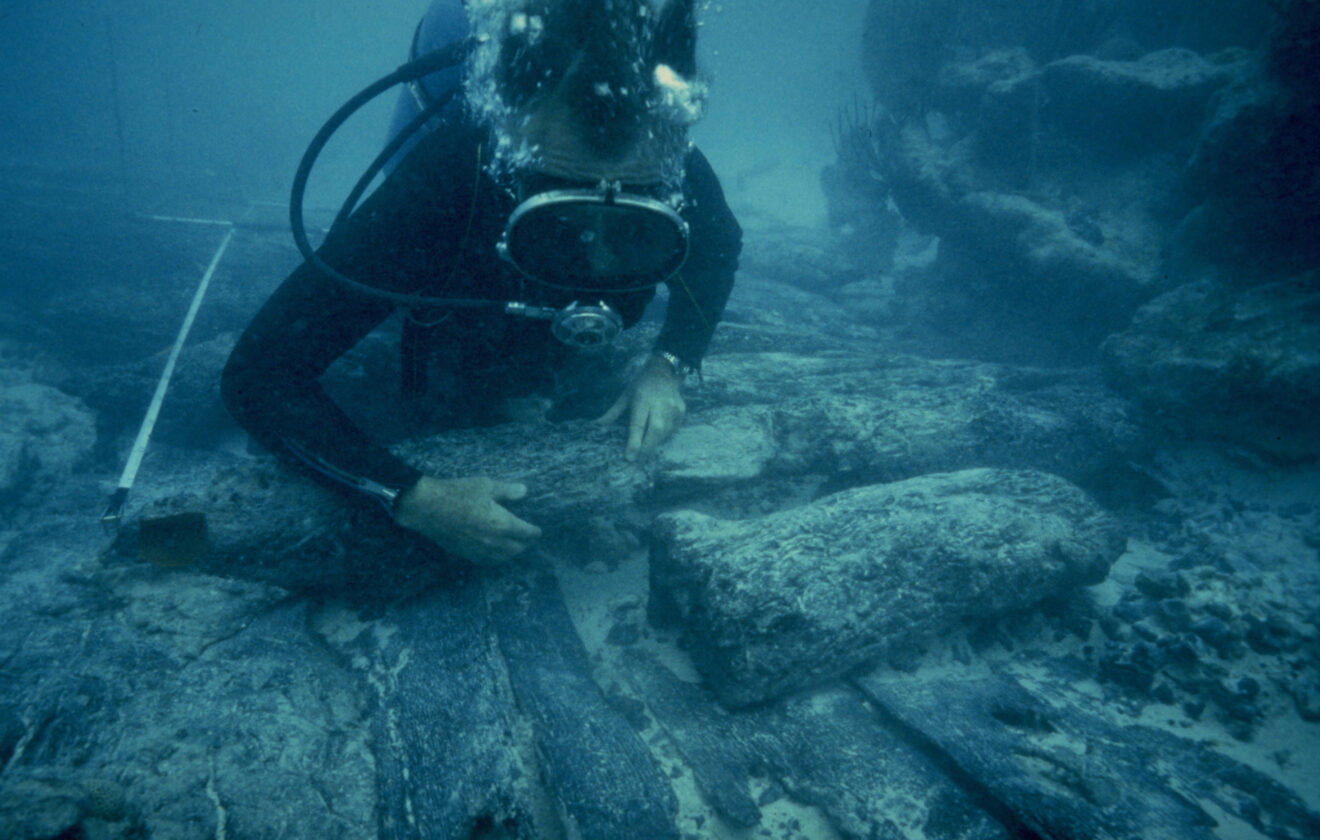
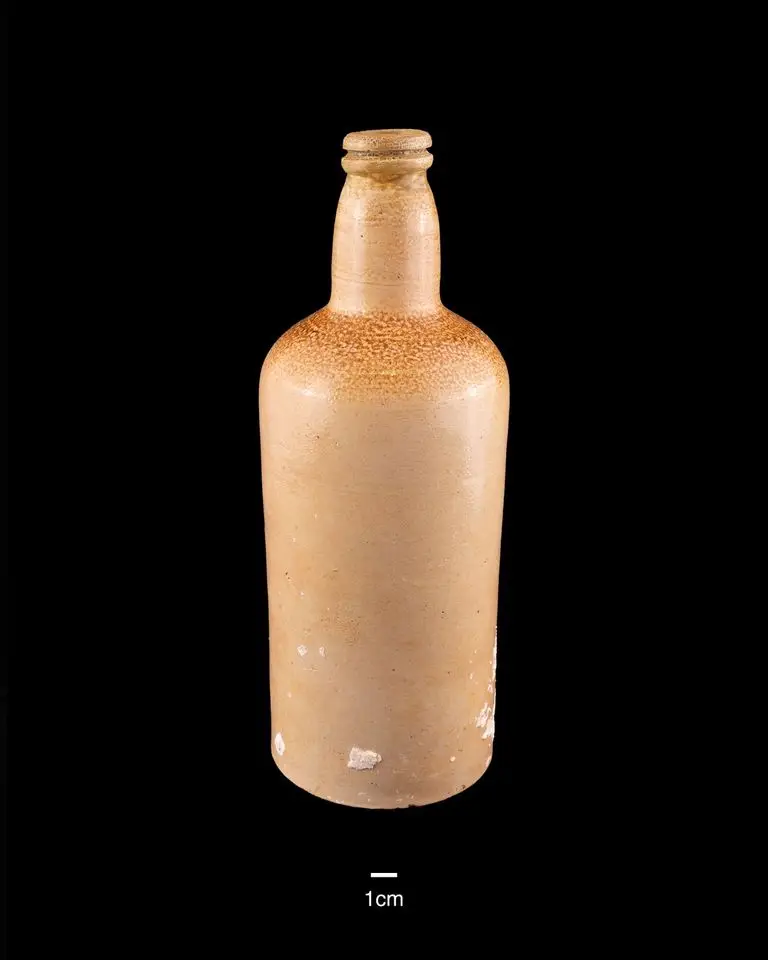
- Archaeological Significance: The Sea Venture is a “time capsule” of early 17th-century shipbuilding and colonial life. Artifacts include cannons, ceramics, navigational tools, and personal items.
5. Historical Significance
- Impact on Bermuda’s History: The Sea Venture’s survivors became Bermuda’s first settlers, establishing a camp and building two new ships, Deliverance and Patience, from local cedar and salvaged materials. Their unplanned stay led to England’s permanent claim on Bermuda.
- Archaeological Discoveries: Rediscovered in 1958, the site yielded cannons, stoneware, and personal effects, offering rare insight into early colonial voyages.
- Cultural Importance: The Sea Venture is featured on Bermuda’s coat of arms and flag. The story inspired William Shakespeare’s play, The Tempest.
- Legends and Stories: The survivors’ resourcefulness, the “miraculous” lack of loss of life, and the subsequent founding of Bermuda are celebrated in local lore. The tale of Deliverance and Patience is central to Bermudian identity.
Sidebars & Visitor Information
- Museum Exhibits: Artifacts from the Sea Venture are on display at the National Museum of Bermuda and the St. George’s Historical Society Museum.
- Annual Commemorations: Bermuda celebrates the Sea Venture’s legacy with festivals and historical reenactments.
- Diving: The actual site is protected, but nearby wrecks and underwater trails are accessible to divers.
Sources
- Wikipedia: Sea Venture (https://en.wikipedia.org/wiki/Sea_Venture)
- National Trust UK: The Sea Venture, Bermuda
- Bermuda National Museum: Shipwrecks—Sea Venture
- The Bermudian: The Wreck of the Sea Venture—The Untold Story
- Encyclopedia Virginia: Sea Venture
- William Strachey, “A True Reportory of the Wracke and Redemption of Sir Thomas Gates, Knight” (1610)
Shipwreck Gallery


Related Wrecks
Artifact template
Maria Celeste
Centuries of Ceramics from Shipwrecks
Trending Now